


Furnished vs. Unfurnished Rental Homes in Sammamish: Which Is Right for Your Property?

A Sammamish rental can perform very differently depending on whether it is offered furnished or unfurnished. The right choice affects the tenant pool, lease length, pricing strategy, maintenance workload, insurance needs, and long-term wear on the home.
For owners of a rental property in Sammamish WA, the decision is rarely as simple as “furnished earns more” or “unfurnished is safer.” A well-located furnished home near regional employment centers may attract relocating professionals or families between homes. An unfurnished single-family home in an established neighborhood may appeal to long-term residents who want stability, schools, and room for their own belongings.
This guide compares both options in practical terms for Sammamish and the Eastside, with a checklist to help match the rental setup to the property, market, and investment goals.
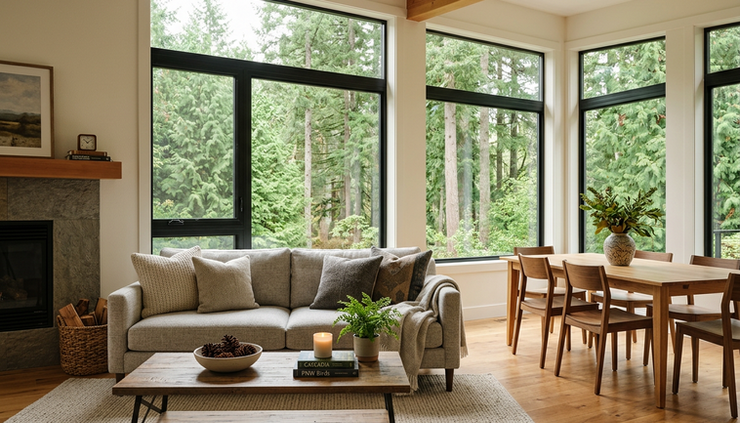
Quick answer for Sammamish rental owners
For most long-term residential rentals in Sammamish, unfurnished is usually simpler to manage. It often works well for tenants who plan to stay longer, bring their own furniture, and treat the home as their primary residence.
Furnished rentals can make sense when the home fits a specific demand pattern, such as:
Relocation housing for professionals or families moving to the Eastside
Temporary housing during home purchases, remodels, or insurance-related displacement
Executive-style housing for longer temporary assignments
Owners who may use the home personally between leases, if allowed by lender, insurance, and local rules
A furnished vs unfurnished rental property decision should start with the property type, location, likely tenant profile, and management capacity. Returns and tenant demand vary by home, neighborhood, lease length, condition, timing, and local competition. There is no reliable income promise that applies to every Sammamish property.
What furnished and unfurnished rentals usually include
An unfurnished rental typically includes the home itself, attached fixtures, major appliances if provided, window coverings if installed, and any items required by law or the lease. In Sammamish, many unfurnished single-family rentals still include appliances such as a refrigerator, range, dishwasher, washer, and dryer, but owners should state exactly what is included.
A furnished rental includes furniture and household items in addition to the home. The level of furnishing can vary widely.
A lightly furnished home may include:
Beds and mattresses
Sofa and living room seating
Dining table and chairs
Basic lamps
Window coverings
Essential kitchen items
A fully furnished home may also include:
Cookware, dishes, and utensils
Linens and towels
Small appliances
Desk or work area
Outdoor furniture
Decor, rugs, and storage items
The main issue is not just what is included on move-in day. The issue is who maintains, replaces, documents, insures, and inventories those items over time.
Practical comparison table for Sammamish and Eastside rentals
Factor | Furnished rental | Unfurnished rental |
Best fit | Relocation tenants, temporary assignments, families between homes, residents needing a ready-to-live setup | Long-term residents, families with their own furniture, tenants seeking stability |
Typical lease flexibility | More likely to support shorter or mid-length leases, subject to local rules and owner goals | Often better suited to 12-month or longer leases |
Initial owner cost | Higher because furniture, housewares, setup, delivery, and design are needed | Lower because the tenant brings most personal furnishings |
Ongoing upkeep | More items to inspect, clean, repair, replace, and track | Fewer owner-owned items inside the home |
Pricing approach | May justify higher rent than a similar unfurnished home in some cases, but only if demand supports it | Usually priced against comparable long-term Eastside rental homes |
Tenant expectations | Higher expectations for cleanliness, comfort, function, and complete setup | Higher expectations for space, condition, appliances, and lease stability |
Turnover work | More detailed cleaning and inventory confirmation | Simpler move-out comparison in many cases |
Wear and tear | Furniture, linens, rugs, cookware, and decor may wear quickly | Wear is focused more on the property itself and included appliances |
Marketing needs | Photos, furnishing quality, included items, and lease terms matter greatly | Condition, location, floor plan, yard, parking, and nearby amenities lead the listing |
Risk profile | More personal property to lose, damage, or dispute | Fewer personal property disputes |
Management complexity | Higher | Lower |
Best owner profile | Comfortable with more active oversight or using professional management | Seeking a more traditional long-term rental structure |
Likely tenant profiles for furnished rentals in Sammamish
Searches for furnished rental homes Sammamish WA often come from people who need housing quickly and cannot wait to furnish a whole home. In Sammamish and nearby Eastside communities, furnished demand may come from several groups.
Relocating professionals and families
A household moving to the Eastside may need several months to learn the area, close on a home, or wait for belongings to arrive. A furnished home can reduce friction during that move.
For this group, the most valuable features are practical:
Comfortable beds
Reliable internet access, if included and allowed under the lease
A functional kitchen
Parking
Clear utility responsibilities
Good photos and an accurate inventory
Owners between homes or during remodels
Some tenants need temporary housing because their own home is being remodeled, repaired, or sold. They often prefer a complete home rather than a small apartment. A furnished single-family rental may appeal if it has bedrooms, a yard, and enough space for daily life.
Contract or assignment-based renters
Some renters arrive for a defined project or assignment. They may not want to move furniture for a six-month or nine-month stay. If the home is close to Eastside employment corridors and major roads, furnished housing may be more attractive.
People testing an area before buying
Sammamish appeals to households seeking suburban neighborhoods, outdoor access, and Eastside convenience. Some renters want to experience the area before purchasing. Furnished housing can serve that need, but these renters may compare the home closely against other Eastside rental homes and extended-stay options.
Likely tenant profiles for unfurnished rentals in Sammamish
Unfurnished homes often attract residents who plan to settle in for a longer period. They usually have their own furniture, prefer to make the home feel personal, and may be more interested in lease stability than flexibility.
Common tenant profiles include:
Families seeking a long-term home in Sammamish
Professionals who already live on the Eastside
Households moving from nearby communities
Renters who want a yard, garage, storage, and a neighborhood setting
Residents who do not want the cost or limits of storing their belongings elsewhere
An unfurnished home can be especially appealing when the layout supports normal daily life. A clean kitchen, functional appliances, good storage, parking, and outdoor space can matter more than furniture.
Initial furnishing costs owners should plan for
Furnishing is not just buying a sofa and beds. A furnished rental needs to feel complete, durable, and easy to maintain. The cost varies by home size, quality level, and whether the owner already has suitable furniture.
Common setup categories include:
Living room furniture
Bedroom furniture and mattresses
Dining furniture
Lighting
Rugs and window coverings
Kitchen supplies
Linens and towels
Small appliances
Decor
Outdoor items, if included
Delivery and assembly
Professional cleaning before marketing
Inventory documentation
Owners should also budget for replacement. Even careful tenants create wear through normal use. Mattresses, upholstered furniture, rugs, cookware, and linens may need more frequent attention than built-in parts of the home.
A furnished home should not feel like a storage unit for leftover furniture. Mismatched, worn, or fragile items can create poor photos, more complaints, and higher replacement costs. If the goal is to compete for quality tenants, furnishings should be comfortable, neutral, durable, and easy to clean.
Ongoing upkeep is where furnished rentals get more complicated
The long-term cost of furnished rentals often shows up after the first lease. Each turnover may require a more detailed process.
A furnished move-out inspection should confirm:
Furniture condition
Missing items
Stains on upholstery or rugs
Mattress condition
Damage beyond normal wear
Kitchen inventory
Linen condition, if included
Function of lamps and small appliances
Cleanliness inside drawers, cabinets, and storage areas
This is where documentation matters. A detailed written inventory with photos helps reduce confusion. It should be attached to, or referenced by, the lease.
Unfurnished rentals still need careful move-in and move-out documentation, but there are fewer owner-owned items to track.
In Washington, if a landlord collects a security deposit, state law requires a written checklist or statement describing the condition and cleanliness of the premises at the start of the tenancy. See RCW 59.18.260.
That requirement matters for both furnished and unfurnished rentals. For furnished rentals, the condition checklist should be much more detailed because the owner has more property inside the home.
Lease flexibility and Washington law considerations
Furnished housing often leads owners to think about shorter lease terms. That can be useful, but it adds legal, tax, and management questions.
Washington’s Residential Landlord-Tenant Act, Chapter 59.18 RCW, governs many residential tenancies across the state. It includes rules on habitability, deposits, notices, rent, landlord access, and move-out accounting. Furnished status does not remove the need to follow applicable landlord-tenant rules.
Reliable sources to review include:
For very short stays, different rules may come into play. The Washington Department of Revenue provides guidance on taxes that can apply to transient lodging and short-term rentals. Owners considering stays under 30 days should review state tax guidance and local requirements before advertising.
Also check:
City of Sammamish rules on business licensing, zoning, and rental use
Homeowners association rules, if the property is in an association
Insurance coverage for the intended rental use
Mortgage or lender restrictions
County and state tax obligations for short-term use
This article is informational only and is not legal, tax, or insurance advice. Owners should consult qualified professionals for property-specific guidance.

Rental pricing considerations
Furnished rentals can sometimes command higher monthly rent than similar unfurnished rentals, but that is not automatic. Pricing depends on demand, season, location, size, condition, lease length, and competing supply.
A furnished rental may support stronger pricing when:
The furnishings are attractive and practical
The home is move-in ready
The lease term matches a real tenant need
Utilities or services are clearly explained
The property is near common relocation or assignment destinations
Photos show a clean, comfortable home
A furnished rental may struggle when:
Furniture looks dated or worn
The lease term is awkward for the market
The owner prices far above comparable options
The home lacks parking, storage, or work-from-home space
The inventory creates too many restrictions
Local rules limit the intended use
Unfurnished pricing should usually be compared against similar long-term rentals. For Sammamish, that means looking at property type, bedroom count, lot features, garage space, school boundaries where legally and appropriately described, commute access, and current competition.
The safest pricing method is not guessing. Review current active listings, recently leased properties where available, and tenant feedback from showings. A professional rental analysis from a local team offering property management Sammamish WA can help set a range without making unsupported income promises.
Property appeal and marketing differences
The marketing strategy changes depending on furnishing status.
Furnished rentals need visual confidence
Furnished listings rely heavily on photos. Tenants want to see the actual furniture, sleeping setup, work areas, kitchen equipment, storage, and outdoor areas. Vague descriptions can lead to mismatched expectations.
A furnished listing should clearly state:
Which rooms are furnished
Bed sizes
Whether linens and kitchenware are included
Whether utilities are included or tenant-paid
Parking details
Storage access
Pet policy, if any
Lease length options
Required deposit and fees, if allowed by law
What items are excluded
Avoid saying “fully furnished” unless the home truly supports daily living. A tenant may assume cookware, dishes, beds, seating, and basic household items are all included.
Unfurnished rentals need clear condition and layout
Unfurnished listings should help tenants picture their own furniture in the space. Floor plan flow, room sizes, storage, natural light, garage space, and yard use matter.
Strong listing details include:
Bedroom and bathroom count
Parking and garage details
Appliances included
Laundry setup
Yard responsibilities
Storage areas
Pet policy
Lease length
Utility responsibilities
Move-in cost structure
For both furnished and unfurnished rentals, fair housing compliance matters. Property descriptions should focus on the home and location features, not assumptions about who should live there.
Pinnacle Properties PNW shares available homes on its Vacancies page, which can help owners see how clear photos, terms, and property details present to prospective tenants.
Risks owners should weigh before choosing furnished
Furnished rentals are not automatically riskier, but they create more points of responsibility. The owner owns more items inside the home, and tenants may have stronger expectations.
Common risks include:
Missing or damaged items
Disputes over normal wear versus tenant-caused damage
Higher cleaning standards at move-out
More frequent replacement needs
More detailed insurance questions
More complex deposit accounting
Storage issues if the tenant brings personal furniture
Higher vacancy risk if the furnished tenant pool is thin at a given time
A furnished rental also needs a clear plan for personal property. Owners should avoid leaving sentimental, valuable, fragile, or hard-to-replace items in the home. Rental furniture should be practical, not precious.
Insurance deserves special attention. A standard homeowner policy may not fit a rental property, and coverage for owner-owned furnishings may differ by policy. Owners should speak with an insurance professional before placing a furnished home on the market.
Risks owners should weigh before choosing unfurnished
Unfurnished rentals can be simpler, but they still carry risks.
Common risks include:
Tenant damage during move-in or move-out
Large furniture scraping floors or walls
Longer marketing time if pricing is too high
Appliance disputes if responsibilities are unclear
Yard care confusion
Less flexibility for owners who need access to the home at a specific future date
The key is clarity. A strong lease, detailed condition report, clear maintenance process, and consistent communication reduce avoidable disputes.
For owners who want residential property management Sammamish support, the management plan should cover tenant screening, leasing, inspections, rent collection, maintenance coordination, accounting, and legal compliance. Pinnacle Properties PNW outlines its local services on the Property Management page.
Long-term management requirements
A furnished rental needs a more active management plan than an unfurnished rental.
Furnished rental management should include inventory control
At minimum, owners should maintain:
A written inventory
Photos of each furnished room
Photos of higher-value items
Serial numbers for electronics and appliances where useful
Cleaning standards
Replacement guidelines
Clear rules for moving furniture
A process for reporting broken items
The lease should explain what belongs to the owner and what happens if items are missing or damaged beyond normal wear. Deposit deductions must follow Washington law and should be supported by documentation.
Unfurnished rental management should focus on property condition
Unfurnished homes still need regular oversight. Core tasks include:
Accurate move-in condition checklist
Clear appliance list
Yard care expectations
Smoke alarm and carbon monoxide alarm compliance where applicable
Maintenance response process
Periodic property reviews, following proper notice rules
Move-out inspection with photos
This is where rental property management Eastside WA can be helpful. Local knowledge matters because Sammamish rental demand can differ by neighborhood, property type, and timing.
Decision checklist for Sammamish rental owners
Use this checklist before deciding how to offer the property.
Choose furnished if most of these are true
The home is likely to attract relocation, temporary, or assignment-based tenants.
The property is in excellent condition and photographs well.
The layout works for immediate daily living.
The owner can afford quality furnishings without relying on fast payback.
There is a plan for inventory, cleaning, replacement, and storage.
The intended lease terms are allowed by local rules, insurance, lender, and any association.
The owner accepts more turnover work and more detailed documentation.
The pricing plan is based on local comparable rentals, not assumptions.
The owner can respond quickly when furniture or household items break.
Choose unfurnished if most of these are true
The goal is a traditional long-term lease.
The home is a good fit for residents with their own furniture.
The owner wants fewer personal property items to manage.
The property has strong appeal through location, layout, yard, garage, or condition.
The owner prefers simpler inspections and fewer inventory disputes.
The target tenant pool values stability more than a ready-made setup.
The owner wants to limit furnishing replacement costs.
The rental strategy is based on long-term housing demand in Sammamish and the Eastside.
Pause before deciding if these apply
The owner is relying on furnished rent to cover a high furnishing budget.
The furniture is old, fragile, or personally valuable.
The owner is unsure about short-term rental rules.
The association has rental restrictions.
Insurance coverage has not been reviewed.
The home has not been compared with current rental competition.
The owner does not have time to manage detailed turnovers.
If several pause items apply, get property-specific guidance before listing.
How investors should think about furnished versus unfurnished
For an investment property Eastside owners plan to hold long term, the question is not just monthly rent. The better question is net performance after costs, time, vacancy risk, replacement, and management.
A furnished strategy can work when the property fills a clear market need and the owner manages it like a hospitality-grade residential asset. That means strong photos, complete inventory, clear lease terms, excellent cleaning, and fast response to issues.
An unfurnished strategy can work when the property fits stable long-term demand. In Sammamish, this often means clean single-family homes, townhomes, and condos with practical layouts, parking, and access to daily needs.
Neither choice is best for every owner. The better option is the one that fits the property, the local tenant pool, the owner’s risk tolerance, and the desired level of involvement.
Pinnacle Properties PNW’s Investment page can help owners think through acquisition, rental positioning, and long-term ownership factors across the Eastside.
Local factors that matter in Sammamish
Sammamish has a different rental feel than denser urban markets. Many renters look for space, quiet residential settings, access to parks and trails, and Eastside convenience. That affects the furnished versus unfurnished decision.
A furnished condo or townhome may appeal to a renter who wants lower upkeep and a ready-to-live setup. A larger single-family home may attract long-term residents who already own furniture and need bedrooms, storage, and parking.
Seasonality can also matter. Families often prefer move dates that align with school and work schedules. Relocation renters may have less predictable timing. Owners should avoid assuming that demand will be the same every month.
Local property features can shape the decision:
Homes with flexible office space may perform well furnished or unfurnished.
Homes with large yards need clear yard care terms.
Homes in associations need careful review of rental and furnishing-related rules.
Homes with high-end finishes need strong documentation before move-in.
Homes farther from major commuting routes may need sharper pricing or longer lease terms.
When professional management makes the difference
The more complex the rental setup, the more important management becomes. Furnished rentals need detailed records and consistent standards. Unfurnished rentals need careful leasing, tenant screening, inspections, and maintenance coordination.
A local manager can help with:
Rental pricing guidance
Listing preparation
Tenant screening
Lease setup
Move-in documentation
Deposit handling procedures
Maintenance coordination
Vendor communication
Move-out inspections
Owner reporting
For owners comparing furnished and unfurnished options, Pinnacle Properties PNW provides local support for property management Sammamish WA and nearby Eastside communities. Learn more through Property Management, review active Vacancies, explore Investment support, or contact Pinnacle Properties PNW to discuss a specific home.
FAQs about furnished and unfurnished rentals in Sammamish
Are furnished rentals legal in Sammamish?
Furnished rentals can be legal, but legality depends on the rental use, lease length, zoning, business licensing, association rules, tax requirements, insurance, and mortgage terms. Owners should verify local and state requirements before advertising the home.
Does Washington landlord-tenant law apply to furnished rentals?
Many residential tenancies in Washington are governed by the Residential Landlord-Tenant Act, Chapter 59.18 RCW, whether the home is furnished or unfurnished. Some housing arrangements may be treated differently, so owners should seek legal advice for unusual lease structures.
Can a furnished rental charge a higher security deposit?
Washington law limits how deposits must be documented, held, and returned, but owners should not assume they can charge any amount they want. If a deposit is collected, a written move-in condition checklist is required under RCW 59.18.260. Deposit terms should be clear in the lease and compliant with current law.
What should be included in a furnished rental inventory?
A furnished inventory should list furniture, mattresses, rugs, lamps, kitchen items, linens, small appliances, outdoor furniture, and any other owner-owned items. Photos should show condition at move-in. Higher-value items should be documented in extra detail.
Is an unfurnished rental easier to manage?
Usually, yes. Unfurnished rentals have fewer owner-owned items to track, clean, repair, and replace. They still need strong leasing, condition reports, maintenance handling, and compliance with Washington law.
Who rents furnished homes in Sammamish?
Common renter profiles include relocating households, people between home purchases, residents displaced by repairs, and professionals on temporary assignments. Demand changes by home type, location, lease length, and season.
Should utilities be included in a furnished rental?
Some furnished rentals include utilities, while others do not. The lease should state exactly who pays for electricity, water, sewer, garbage, internet, landscaping, and any other services. Owners should also consider usage limits and billing logistics.
How should an owner decide between furnished and unfurnished?
Start with the likely tenant pool, property layout, lease goals, furnishing budget, management capacity, and legal requirements. Then compare current local listings and ask whether the added furnishing cost and work are likely to support the investment plan.
The right choice is the one that matches the property
Furnished rentals can be a smart fit when the home serves a clear temporary housing need and the owner is ready for added setup, inventory, cleaning, and replacement work. Unfurnished rentals often fit better when the goal is stable long-term tenancy with fewer personal property responsibilities.
For Sammamish and Eastside rental homes, the best answer comes from the property itself, the local tenant pool, and the owner’s long-term plan. Before listing, compare realistic demand, confirm legal and insurance requirements, and decide how much management complexity is acceptable.
For property-specific guidance, contact Pinnacle Properties PNW and discuss whether a furnished or unfurnished strategy fits the home, the market, and the investment goals.


Comments